NO-TILL
Agricoltura senza lavorazione: il futuro dell’agricoltura sostenibile
Come la trapiantatrice TRIUM No-Till sta guidando il cambiamento
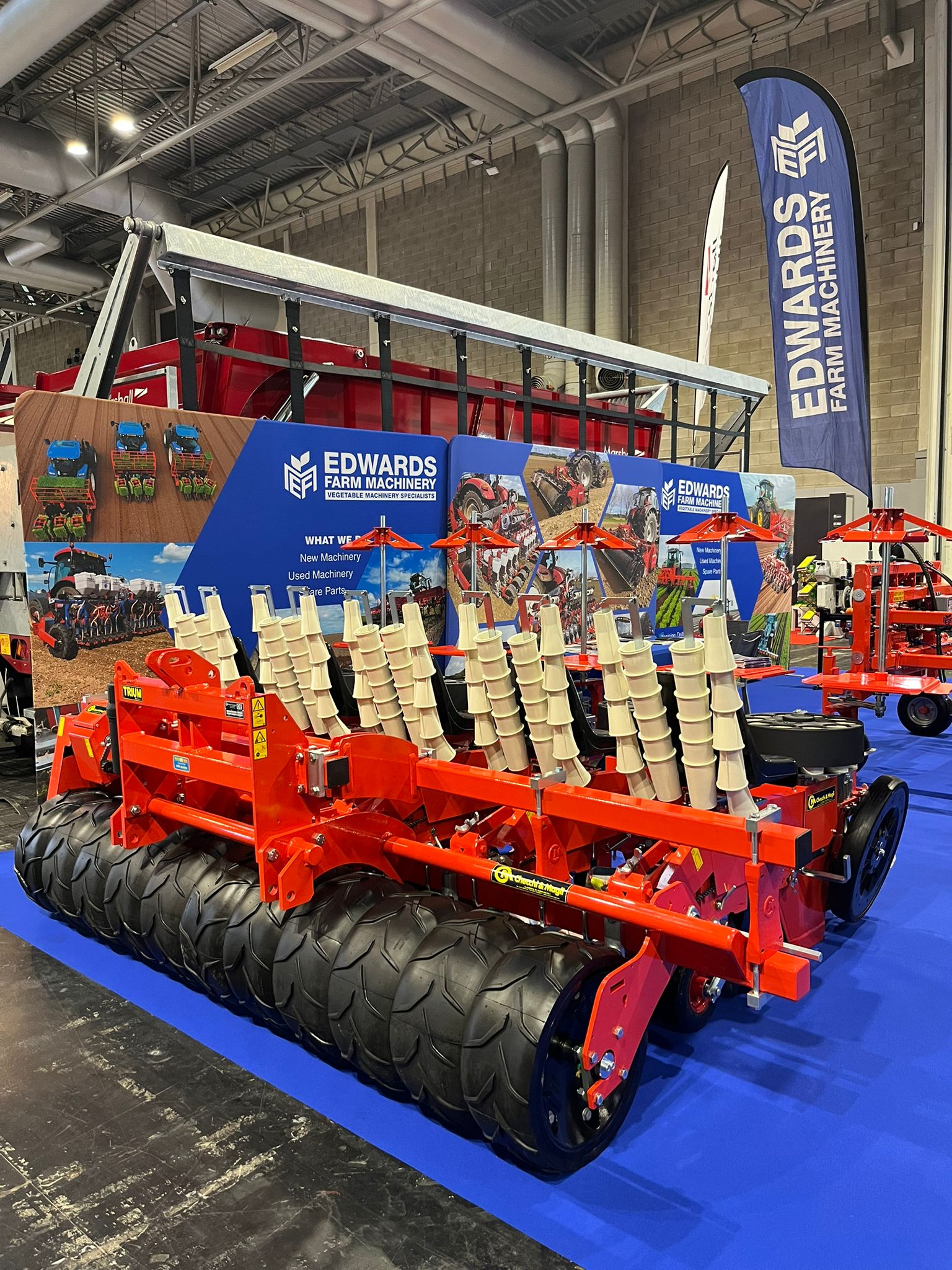
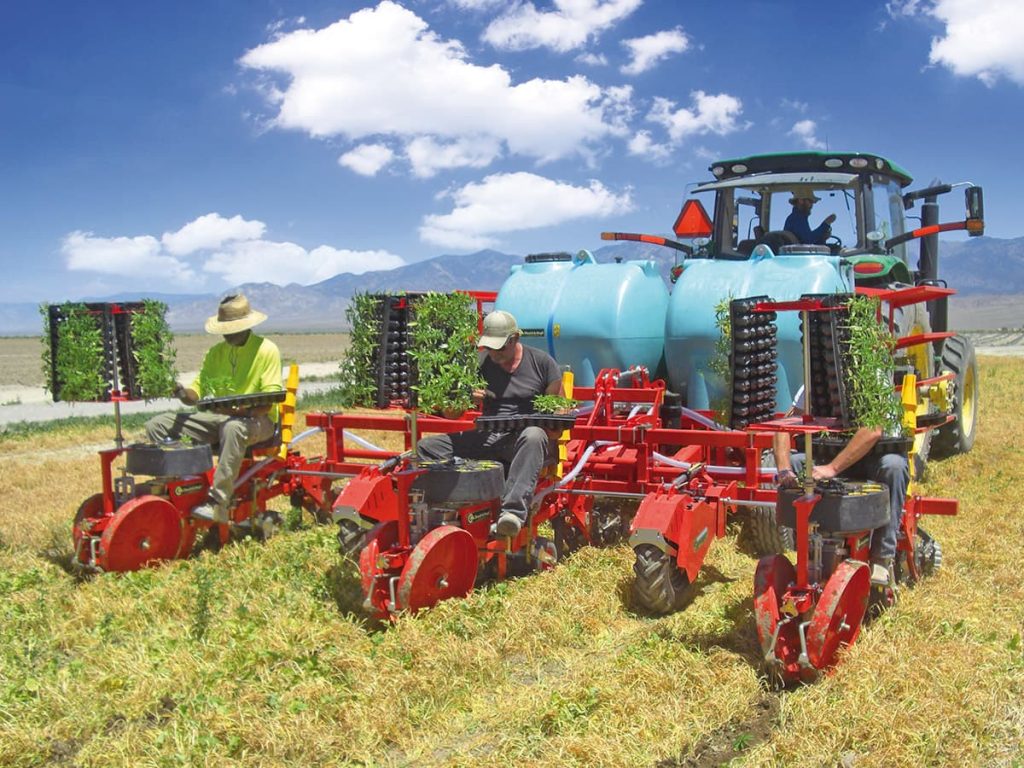
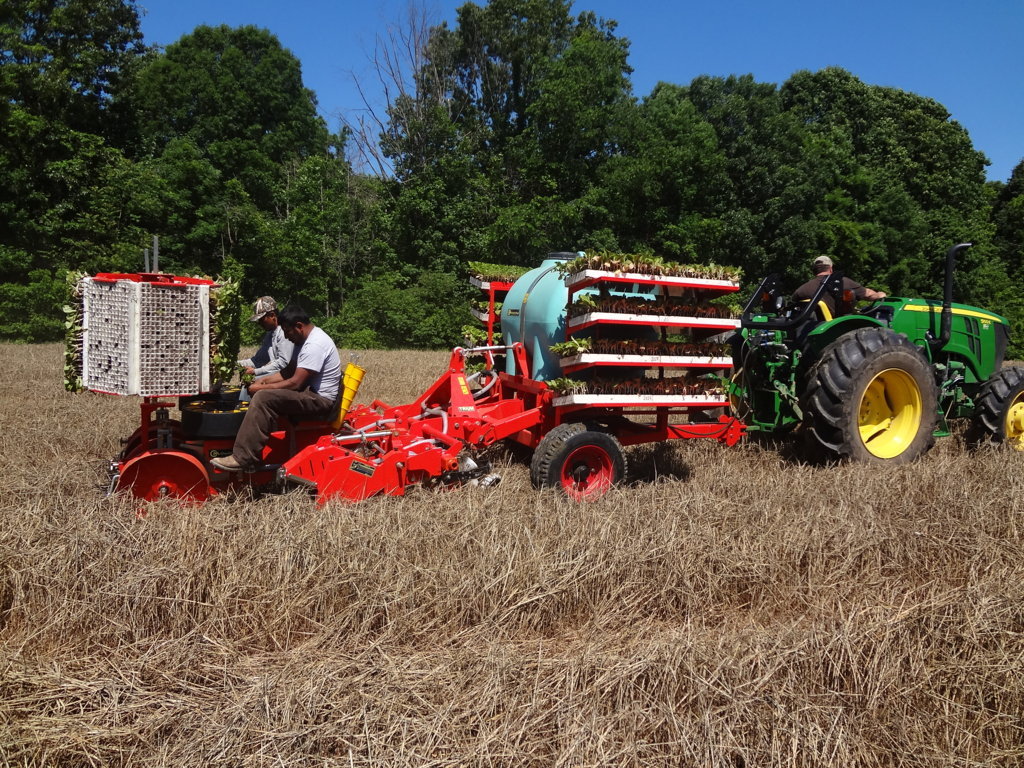
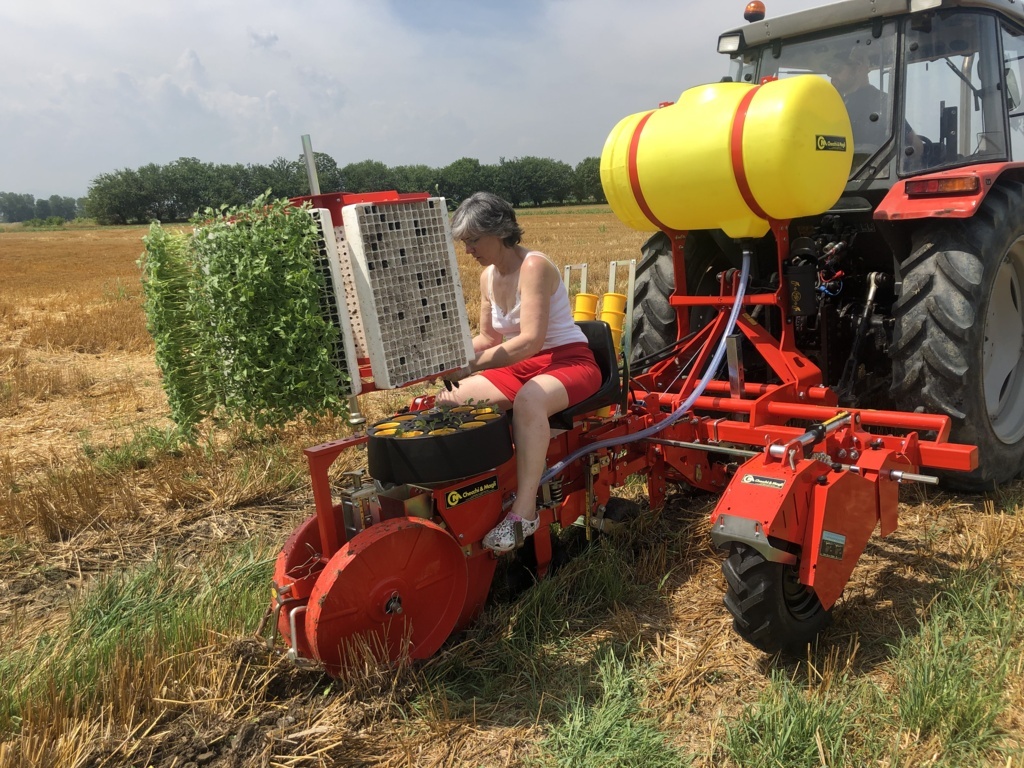
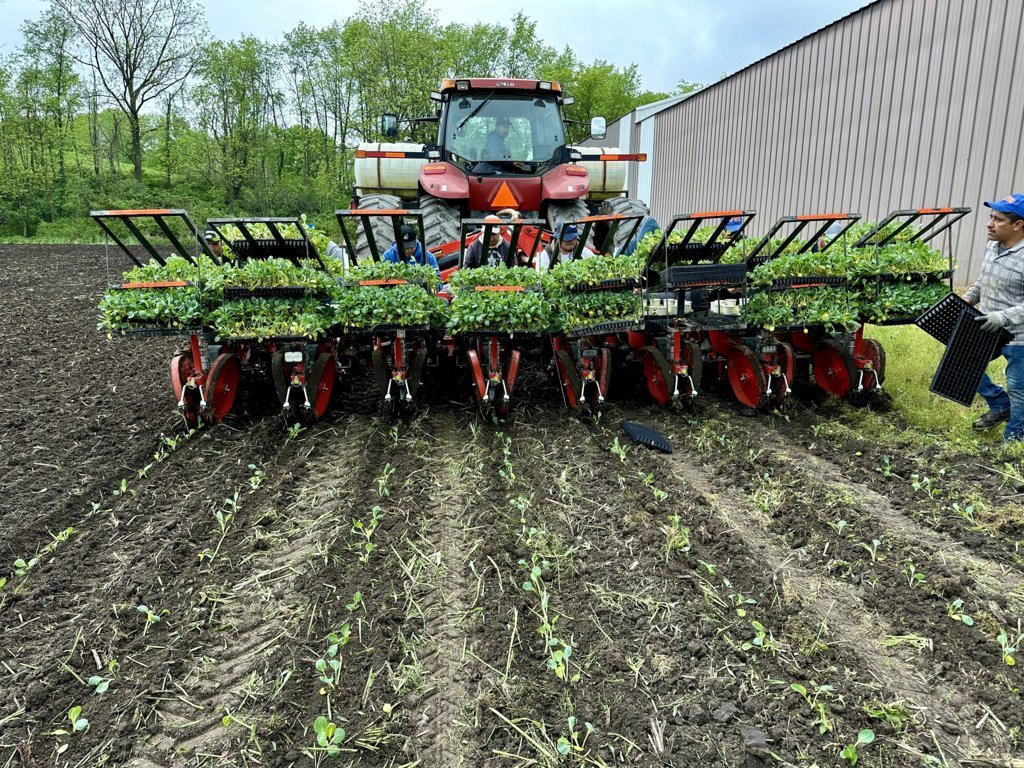
L’agricoltura affronta sfide senza precedenti legate al cambiamento climatico, al degrado del suolo e all’aumento dei costi operativi. L’agricoltura no-till — la semina diretta in un terreno non lavorato senza aratura convenzionale — offre una soluzione trasformativa che garantisce benefici sia ambientali sia economici. La trapiantatrice TRIUM , con l’innovativa opzione No-Till, aiuta i produttori a passare con facilità a questo approccio sostenibile, massimizzando al contempo la produttività.
Che cos’è l’agricoltura No-Till?
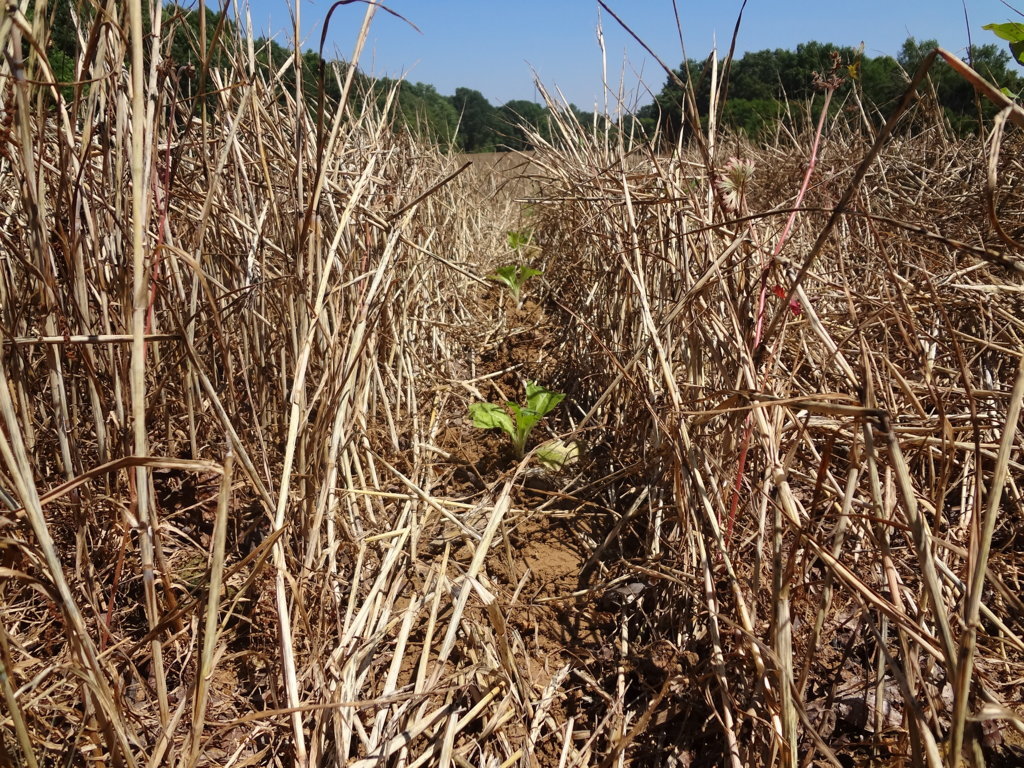
L’agricoltura No-till elimina la lavorazione convenzionale del terreno, lasciando residui colturali e cover crops sulla superficie del campo come strato protettivo. Invece di effettuare più passaggi di lavorazione durante la stagione, si passa sui campi una sola volta per effettuare il trapianto. Questo cambiamento fondamentale riduce al minimo il disturbo del suolo e crea condizioni che imitano i processi naturali di formazione del terreno, con importanti implicazioni per la salute del suolo e l’efficienza aziendale.
Benefici ambientali: proteggere il suolo e il clima
L’agricoltura no-till riduce l’erosione del suolo di oltre l’80%¹, proteggendo questa preziosa risorsa per le generazioni future. Mantenendo i residui colturali in superficie, si previene la perdita di sedimenti fino al 99%² e si migliora in modo significativo la qualità dell’acqua. Anche l’impatto sul clima è rilevante: gli agricoltori statunitensi che adottano pratiche No-till risparmiano annualmente 588 milioni di galloni di carburante diesel e evitano l’emissione di 5,8 milioni di tonnellate di CO₂³ — equivalenti alla rimozione di oltre un milione di auto dalle strade. Un suolo non disturbato favorisce inoltre ecosistemi ricchi di microrganismi benefici, lombrichi e funghi che rafforzano la struttura del terreno, migliorano il ciclo dei nutrienti e aumentano la resilienza delle colture.
Vantaggi economici: redditività attraverso la sostenibilità
L’agricoltura no-till garantisce notevoli risparmi sui costi. Il consumo di carburante diminuisce del 50–80%⁴ — un agricoltore che gestisce 1.000 acri può risparmiare oltre 8.500 dollari all’anno in costi di diesel⁵. Il fabbisogno di manodopera si riduce del 30–50%⁶, con un risparmio di circa 67 ore per ogni passaggio di lavorazione su 1.000 acri. I campi gestiti con No-till sviluppano una maggiore capacità di ritenzione idrica, garantendo una maggiore resilienza alla siccità e rese più stabili⁷. Sebbene i benefici possano richiedere alcuni anni per manifestarsi pienamente, casi documentati mostrano aumenti del reddito netto annuo superiori a 25.000 dollari grazie alla riduzione dei costi operativi e al miglioramento delle prestazioni del suolo⁸.
La soluzione TRIUM No-Till: tecnologia di precisione per l’agricoltura moderna
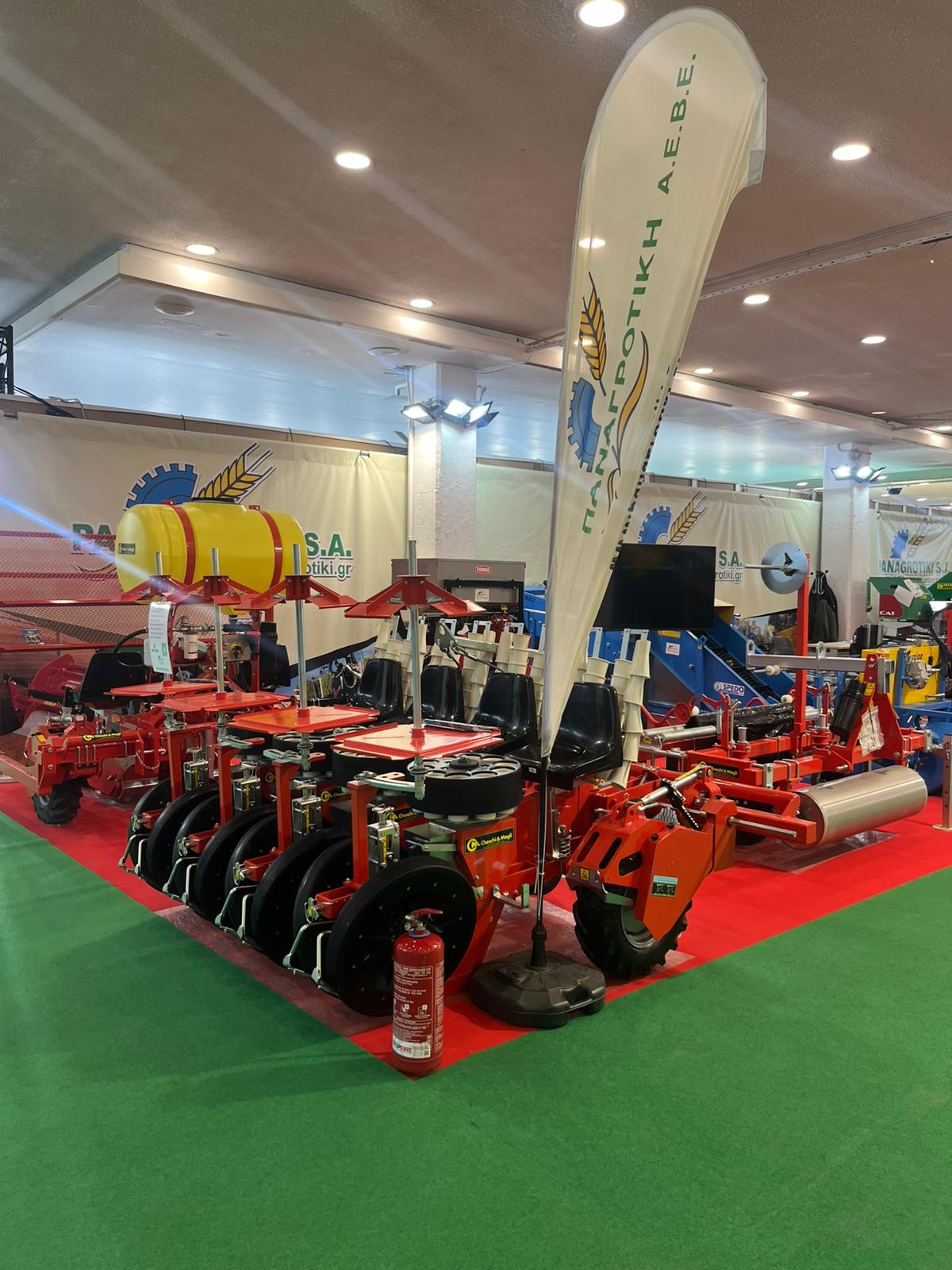
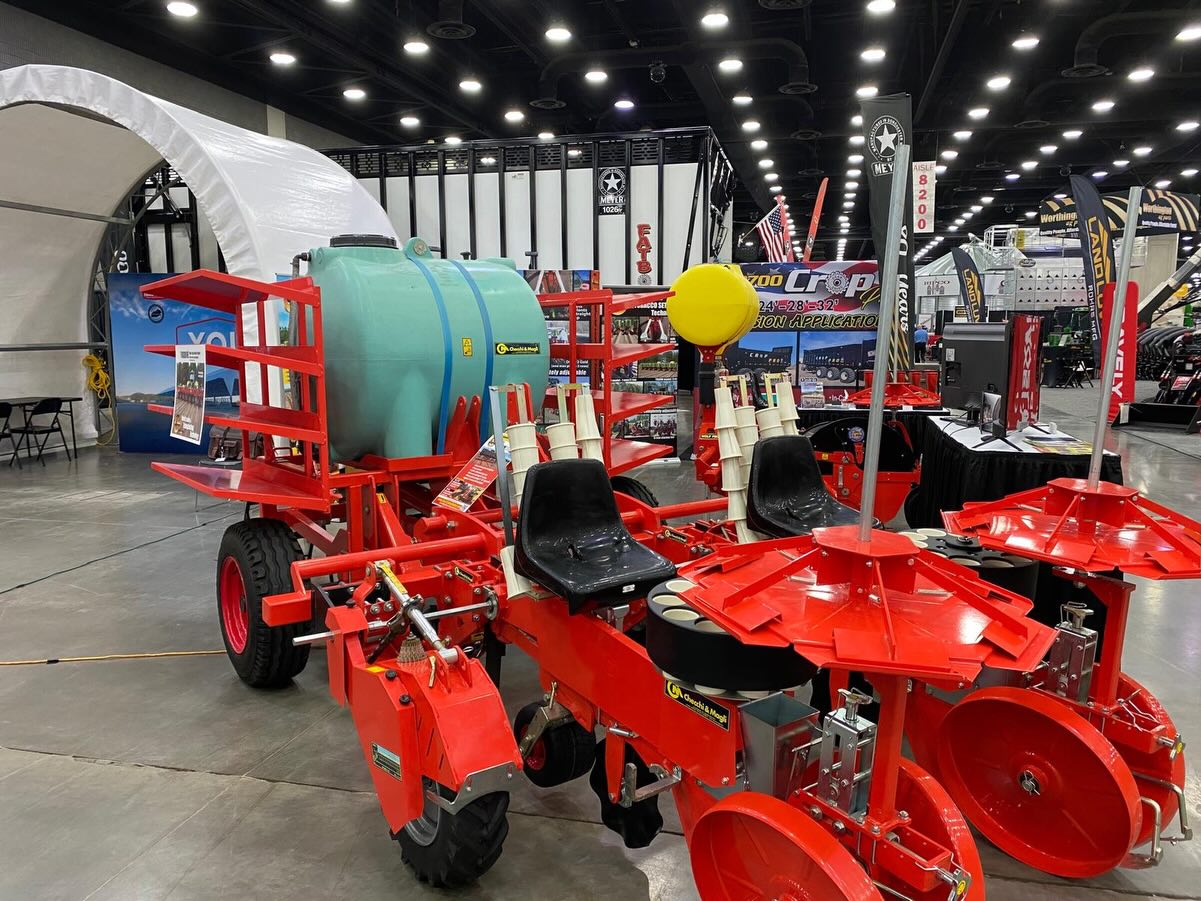
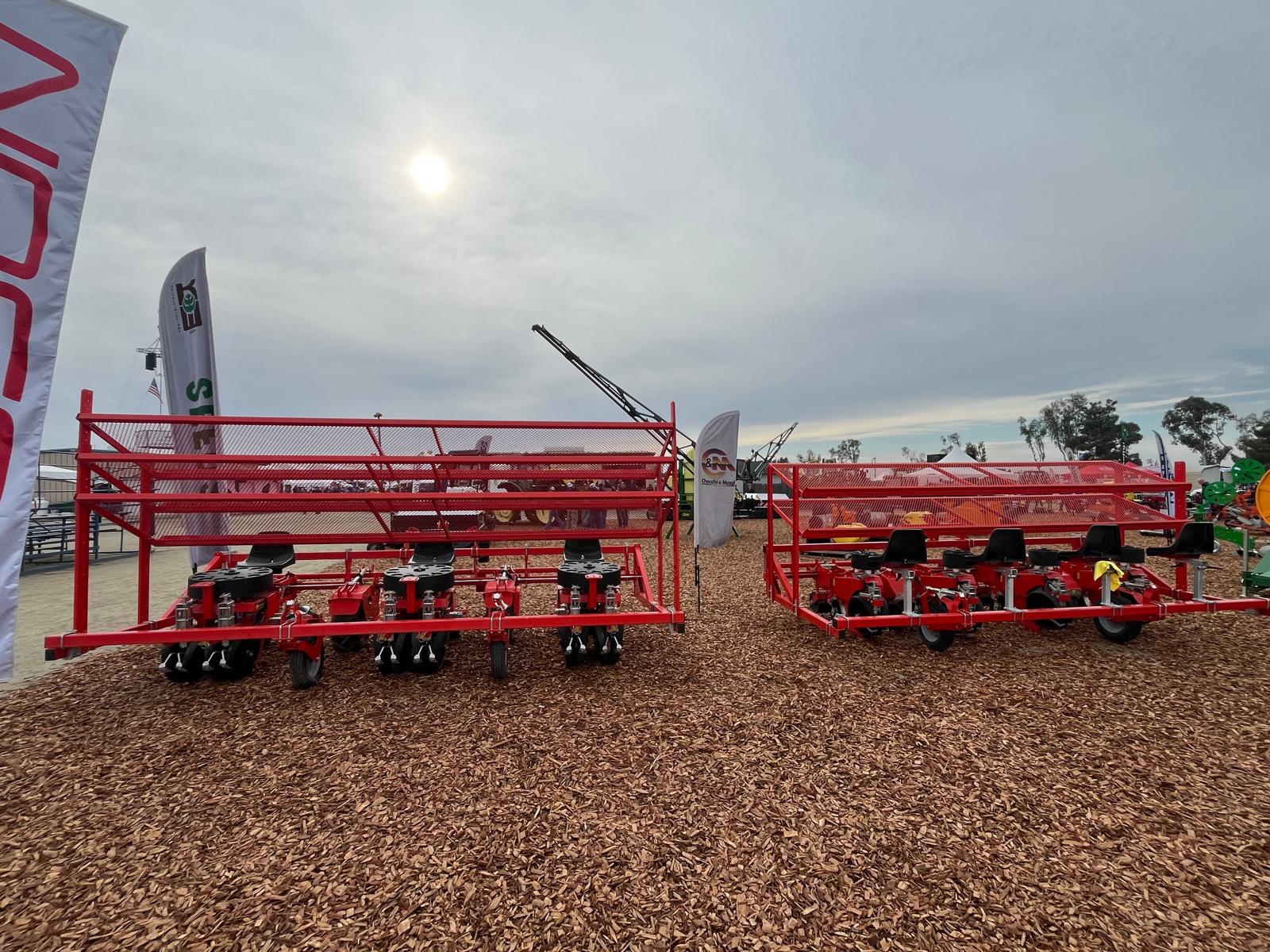
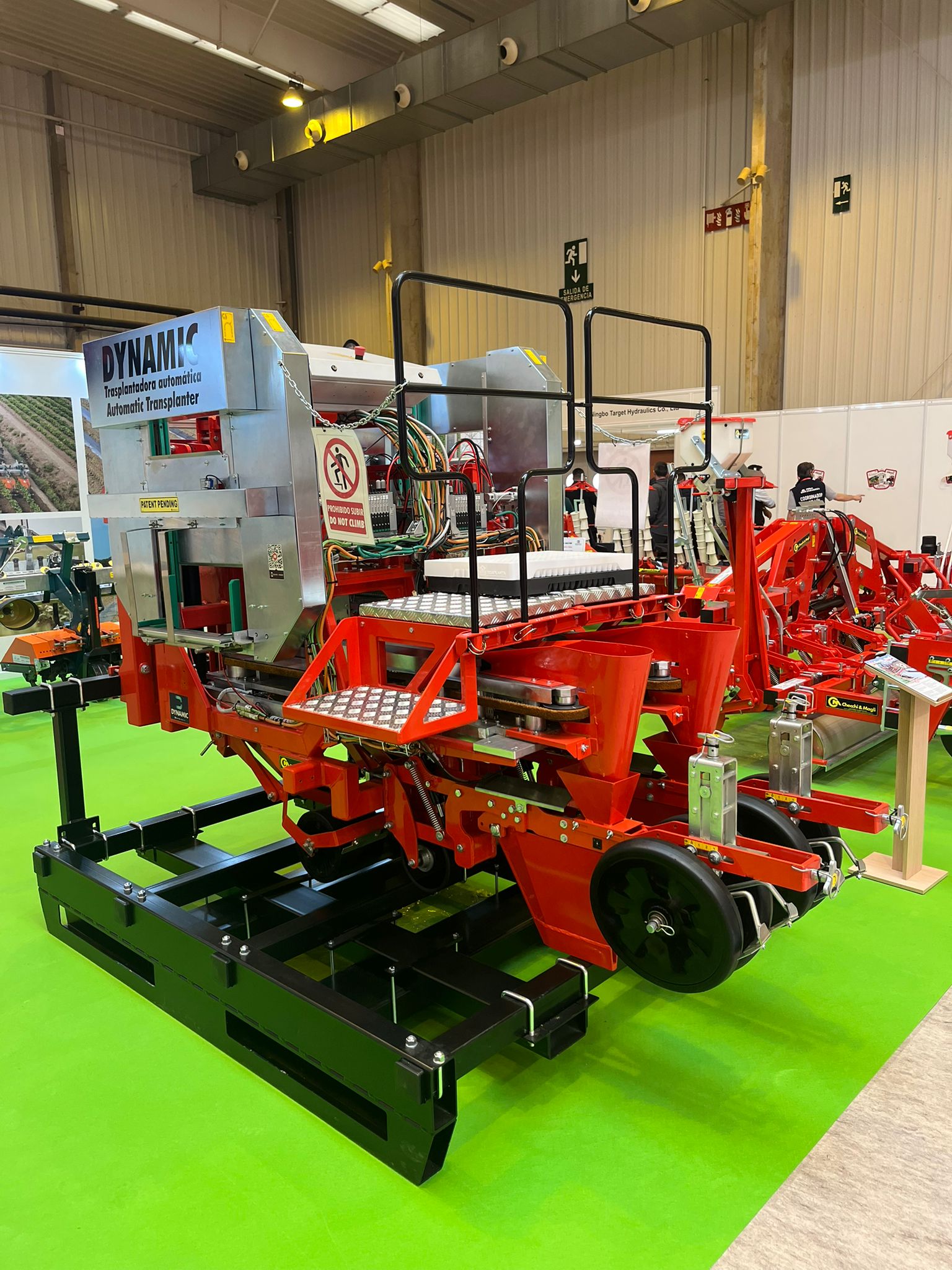
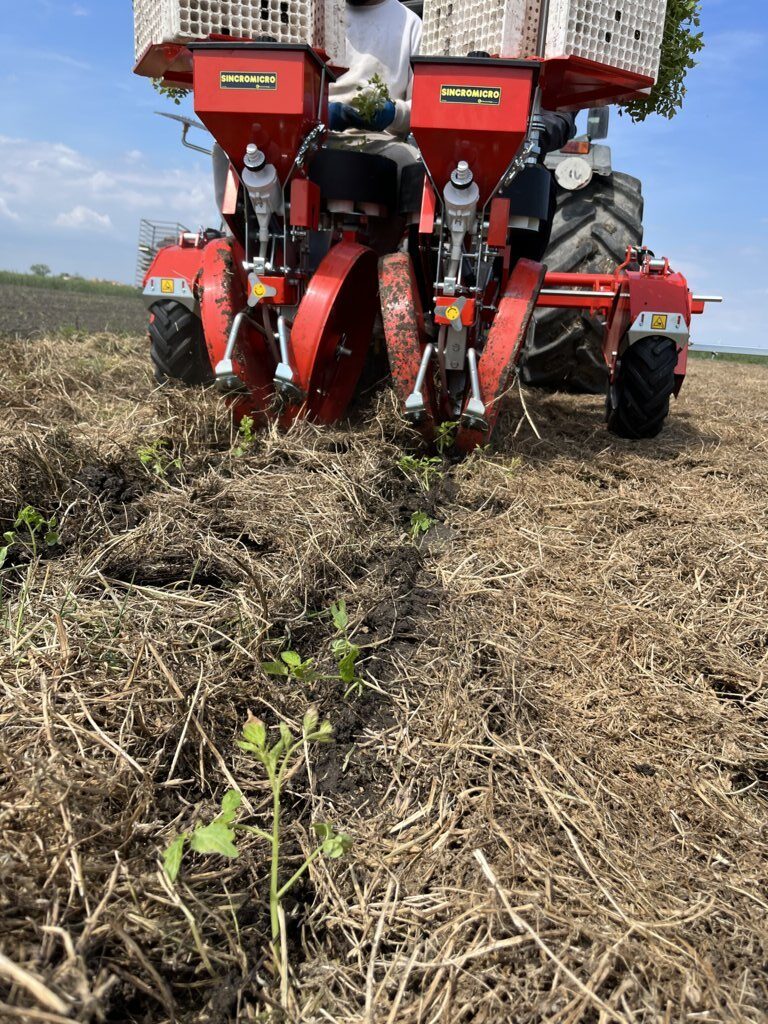
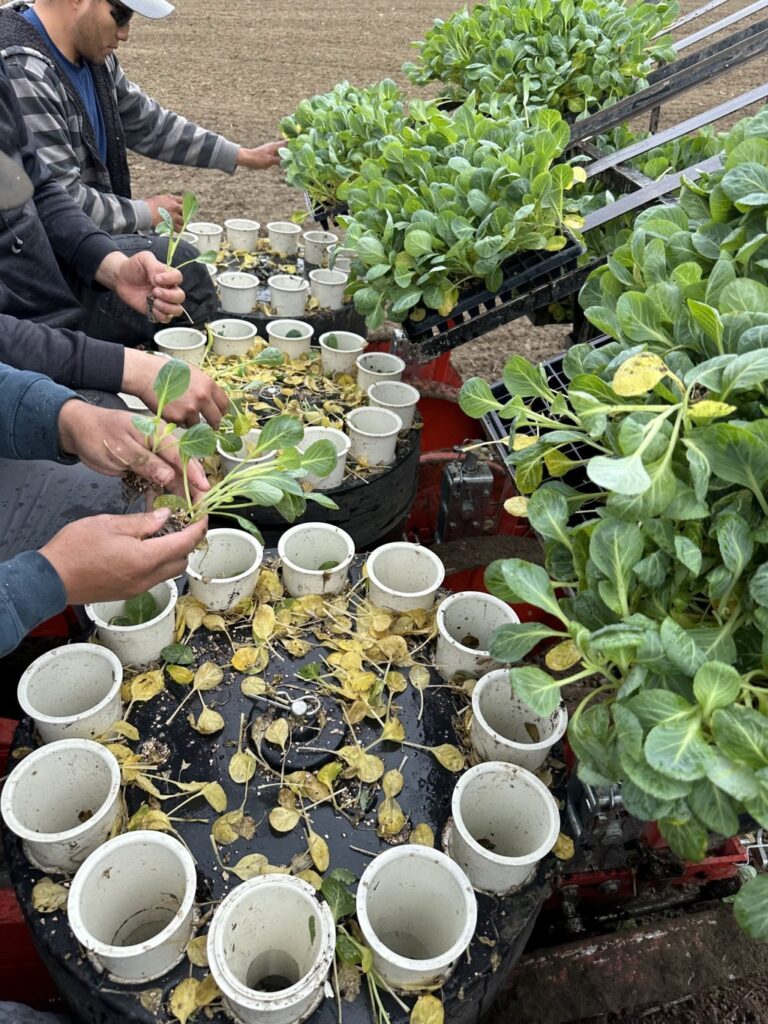
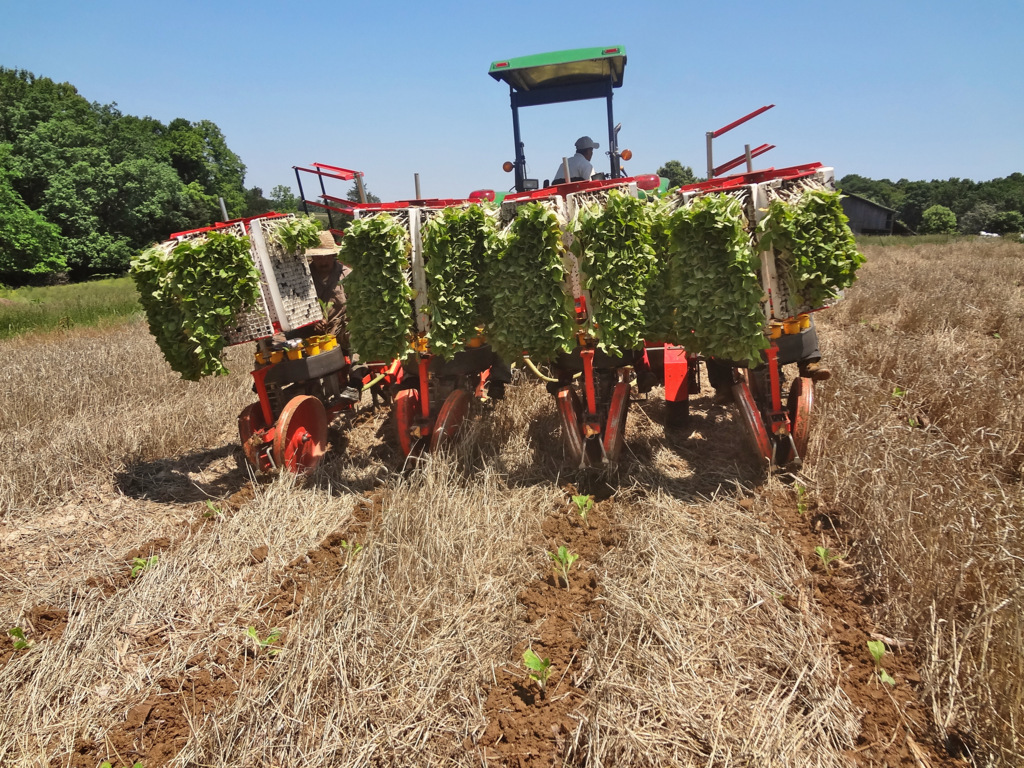
La trapiantatrice TRIUM con optional No-Till, integra una tecnologia di taglio specializzata che crea percorsi puliti tra residui e cover crops, garantendo un posizionamento preciso delle piante senza compromettere la struttura del suolo. Il nostro sistema gestisce elevati livelli di residui che mettono in difficoltà le trapiantatrici tradizionali, risultando ideale per le aziende che integrano colture di copertura.
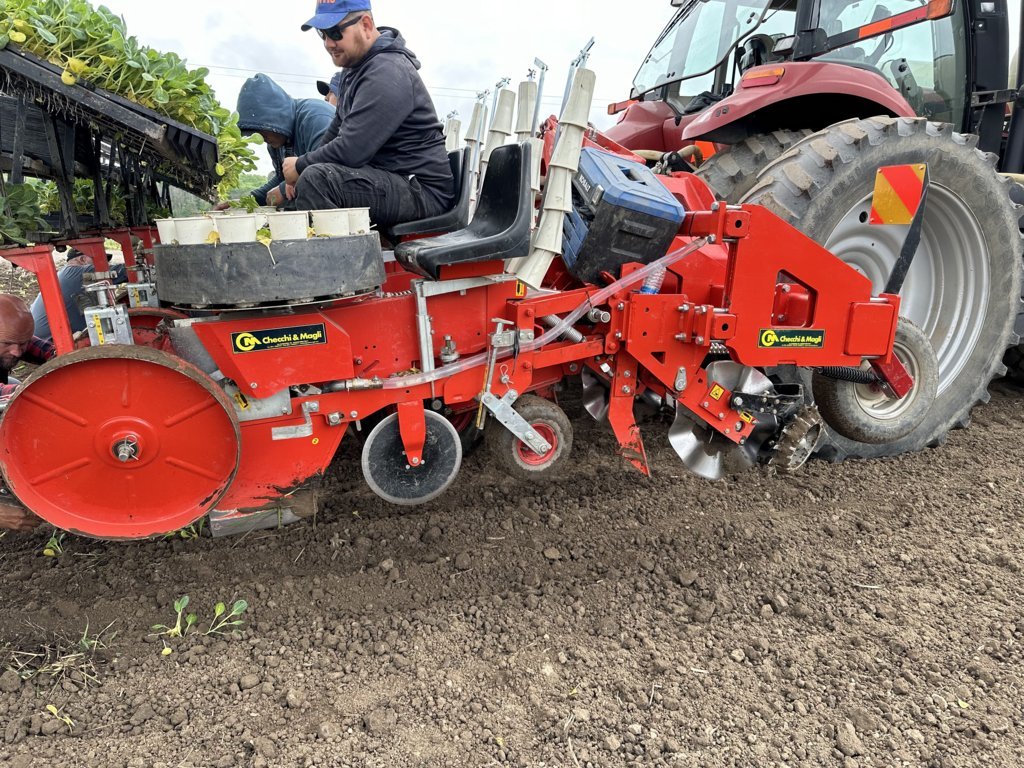
In particolare, nella parte anteriore di ogni unità di trapianto, oltre al disco tagliaresidui da 32,5 cm (optional consigliato su tutte le trapiantatrici), viene installato il kit No-Till.

Il kit è composto da:
- Row cleaner (pulitore di fila): rimuove i residui di coltivazione dalla zona di trapianto.
- Disco ondulato maggiorato da 47 cm: grazie al sistema di spinta a molle regolabili taglia i residui più in profondità e facilita la penetrazione nel terreno.
- Dissodatore regolabile in profondità: muove il terreno fino a 20–30 cm, favorendo lo sviluppo radicale, senza rimescolare gli strati e quindi preservando la struttura e la sostanza organica del suolo.
Con la TRIUM in versione No-Till, tutte le operazioni di preparazione vengono eseguite esclusivamente lungo la fila di trapianto, senza mescolare gli strati del terreno, mantenendo intatte le sue caratteristiche fisiche e organiche.
I principali vantaggi includono:
- Risparmio sui costi di carburante, manodopera e manutenzione delle macchine
- Riduzione dell’erosione del suolo e protezione della produttività a lungo termine
- Miglioramento della salute e della fertilità del suolo grazie all’aumento della sostanza organica
- Maggiore capacità di ritenzione idrica per una migliore resilienza alla siccità
- Compatibilità con le cover crops per una soppressione naturale delle infestanti

La transizione: le chiavi del successo
Il successo del No-till richiede una pianificazione strategica. Implementare rotazioni colturali diversificate per interrompere i cicli dei parassiti e ottimizzare la gestione dei nutrienti — le leguminose arricchiscono il suolo di azoto mentre diverse strutture radicali prevengono l’erosione. Utilizzare cover crops per la soppressione naturale delle infestanti, riducendo la dipendenza dagli erbicidi. Iniziare su scala ridotta per sviluppare competenze nella gestione dei residui e nelle tempistiche di semina prima di espandere il sistema. L’opzione TRIUM No-Till offre la flessibilità di lavorare sia su terreni non lavorati sia su terreni lavorati durante la transizione, supportando un approccio graduale adattato alla tua azienda.
Il tuo partner nell’agricoltura sostenibile
L’agricoltura No-till rappresenta il futuro del settore agricolo, combinando tutela ambientale e maggiore redditività. Con benefici comprovati che includono riduzioni significative dei costi, miglioramento della salute del suolo, mitigazione del cambiamento climatico e maggiore resilienza alla siccità, offre un percorso chiaro alle aziende agricole moderne.
La trapiantatrice TRIUM versione No-Till fornisce la tecnologia di precisione necessaria per implementare con successo queste pratiche. Che tu stia già adottando il No-till o stia valutando la transizione, siamo qui per supportare il tuo percorso verso un’agricoltura più sostenibile e redditizia.
Vuoi scoprire come applicare il No-till alla tua azienda?
Riferimenti
- ¹ USDA Natural Resources Conservation Service (2023). Conservation Practice Standard: Residue and Tillage Management, No-Till/Strip Till.
- ² Conservation Technology Information Center (2022). National Crop Residue Management Survey Data.
- ³ USDA Economic Research Service (2024). Energy Use in Agriculture: Background and Issues.
- ⁴ Baker, C.J., Saxton, K.E., Ritchie, W.R. (2002). No-Tillage Seeding: Science and Practice. CAB International.
- ⁵ University Extension Budgets (2024). Estimated fuel costs based on 1,000-acre operation comparing conventional tillage to no-till systems.
- ⁶ American Society of Agricultural Engineers (2023). Labor Requirements for Various Tillage Systems.
- ⁷ Soil Science Society of America (2023). Long-term impacts of no-till on soil water retention and crop resilience.
- ⁸ Journal of Soil and Water Conservation (2022). Economic analysis of long-term no-till adoption in the United States.